
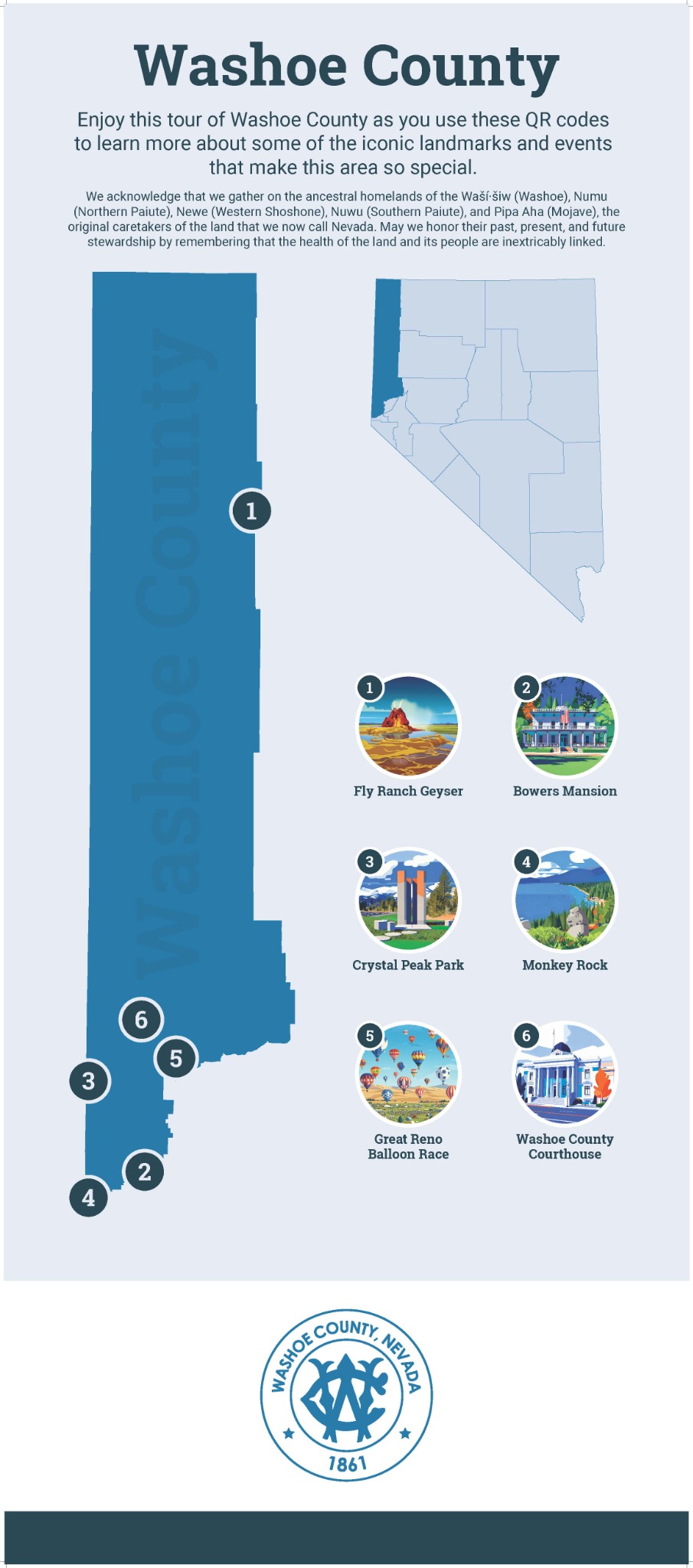
#balloonrace
The Great Reno Balloon Race
Each September, the skies above Rancho San Rafael Regional Park come alive with color as hot air balloons lift off at dawn during one of Northern Nevada’s most beloved traditions.
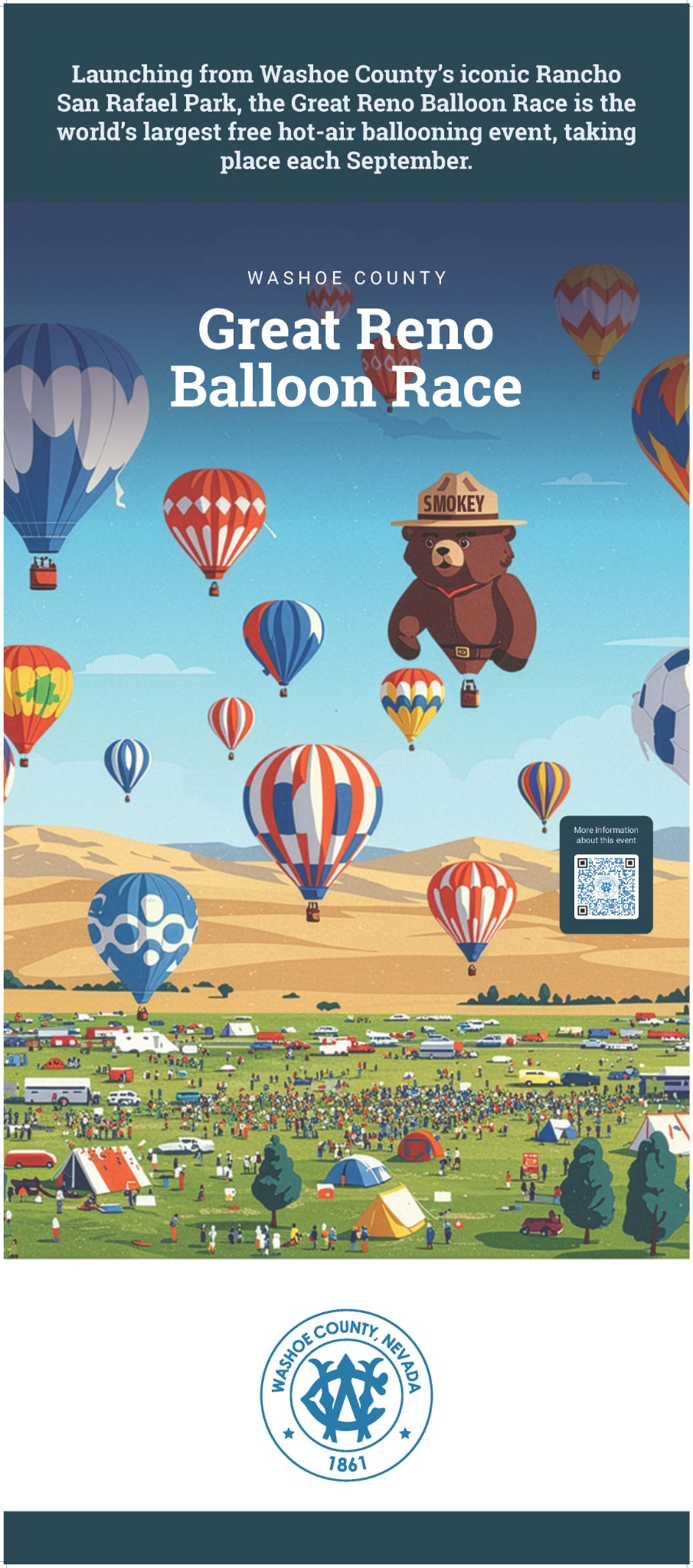
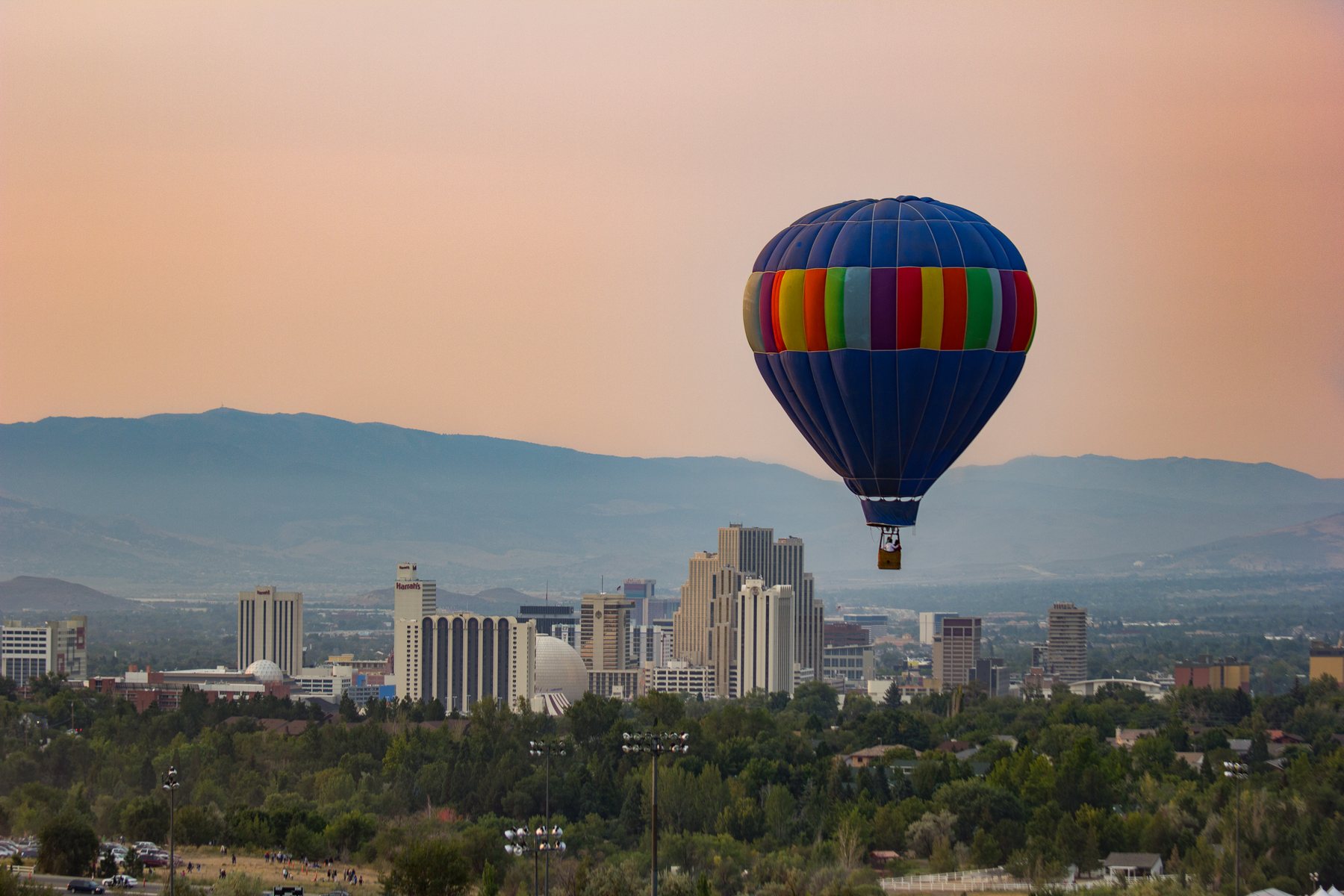
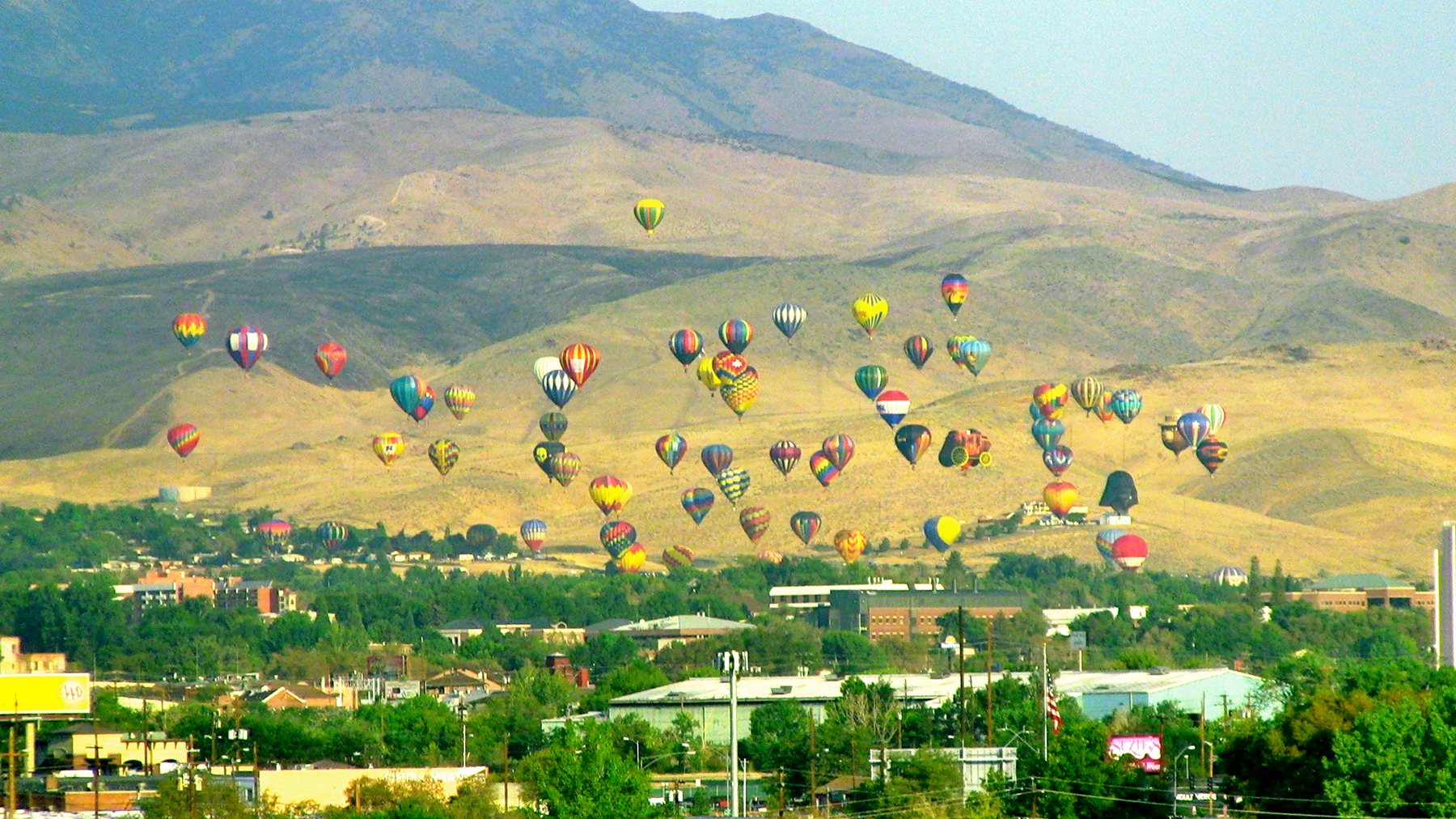
Each September, the skies above Washoe County’s Rancho San Rafael Regional Park come alive with color as hundreds of hot air balloons lift off at dawn during the beloved The Great Reno Balloon Race, the world’s largest free hot-air ballooning event.
What began in 1982 with just 20 balloons has grown into one of Northern Nevada’s most iconic annual traditions. Families gather before sunrise wrapped in blankets and pajamas, watching glowing balloons illuminate the morning sky during fan-favorite events like Dawn Patrol. Set against the backdrop of the Sierra Nevada mountains, the event transforms Rancho San Rafael into a spectacular celebration of flight, community, and wonder.
A Reno Tradition
For more than four decades, The Great Reno Balloon Race has brought together visitors and locals alike for a uniquely Reno experience: free, family-friendly, and unforgettable.
Over the years, the event has featured everything from giant character balloons and world-record pilots to wheelchair-accessible balloon rides, nationally televised appearances, and interactive community traditions involving local schoolchildren. Today, nearly 100 balloons participate annually, filling the skies with vibrant color and making the event one of the most photographed and recognizable celebrations in the region.
Rancho San Rafael Regional Park
Located just north of downtown Reno, Rancho San Rafael Regional Park is Washoe County’s largest and most visited regional park. Known for its expansive open spaces, gardens, trails, and year-round community events, the park provides the perfect setting for the Balloon Race’s dramatic mass ascensions and glowing nighttime displays.
The park is also home to the Wilbur D. May Center, arboretum and botanical gardens, hiking trails, and countless community gatherings throughout the year.
#courthouse
Washoe County Courthouse
Standing proudly in downtown Reno, the historic Washoe County Courthouse has witnessed more than a century of Nevada history.
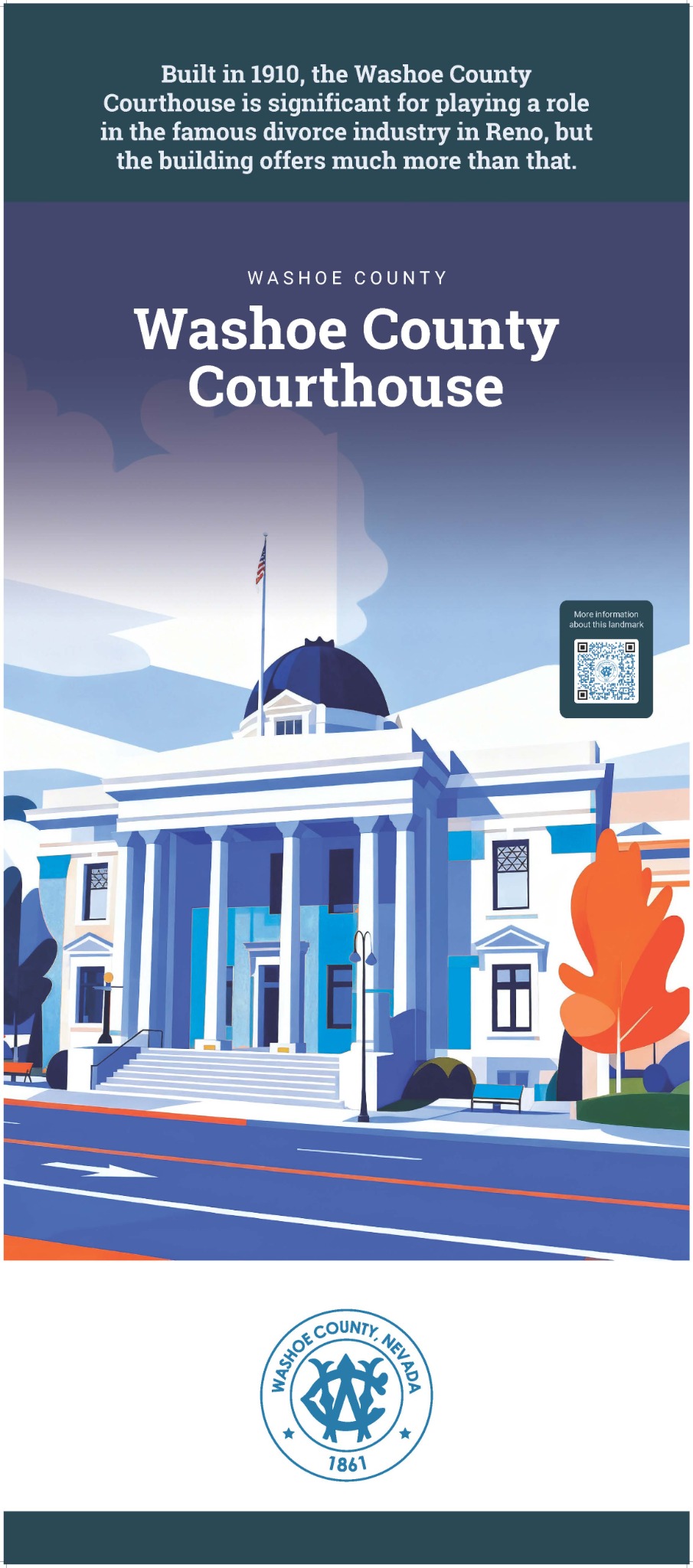
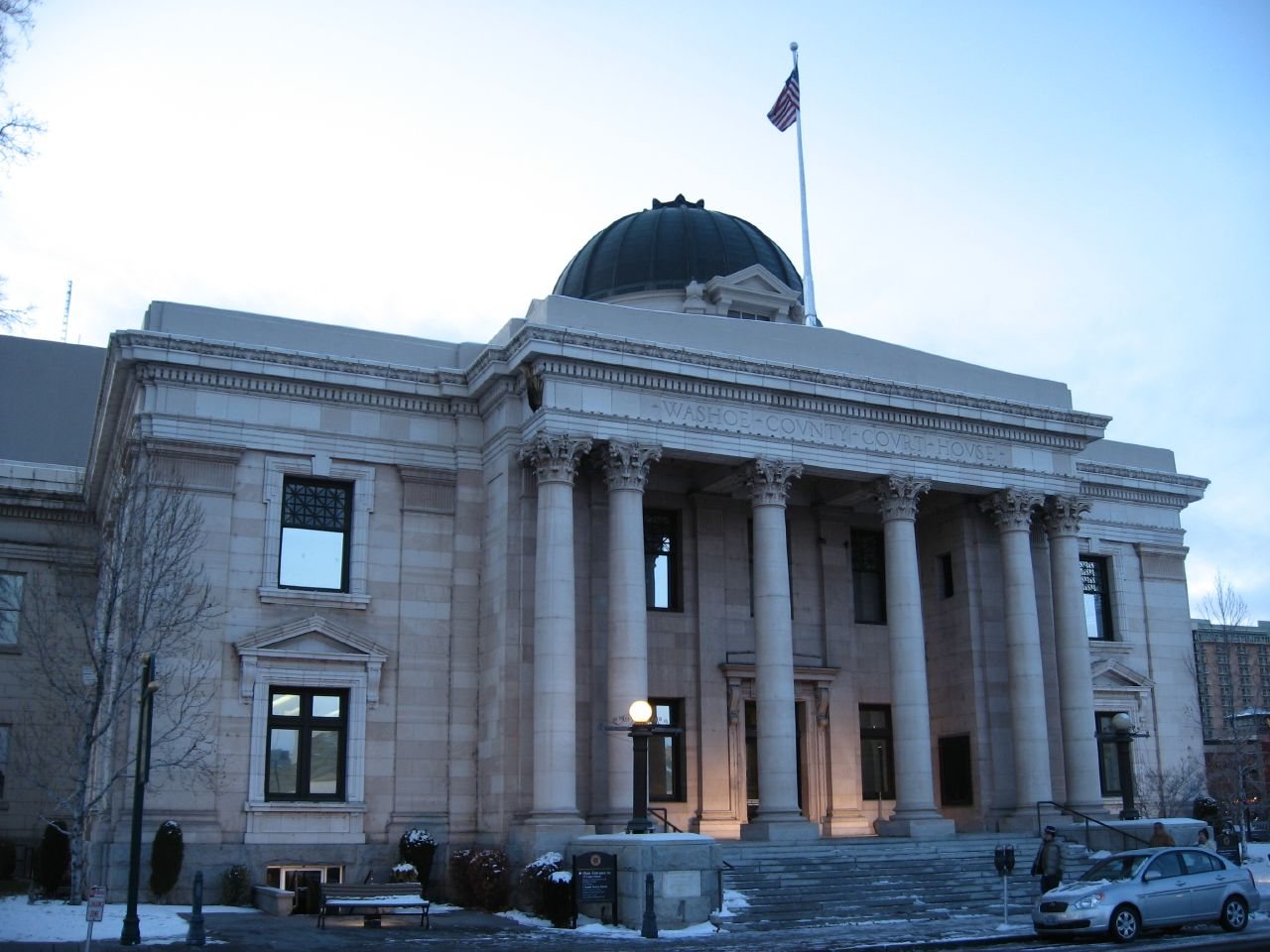
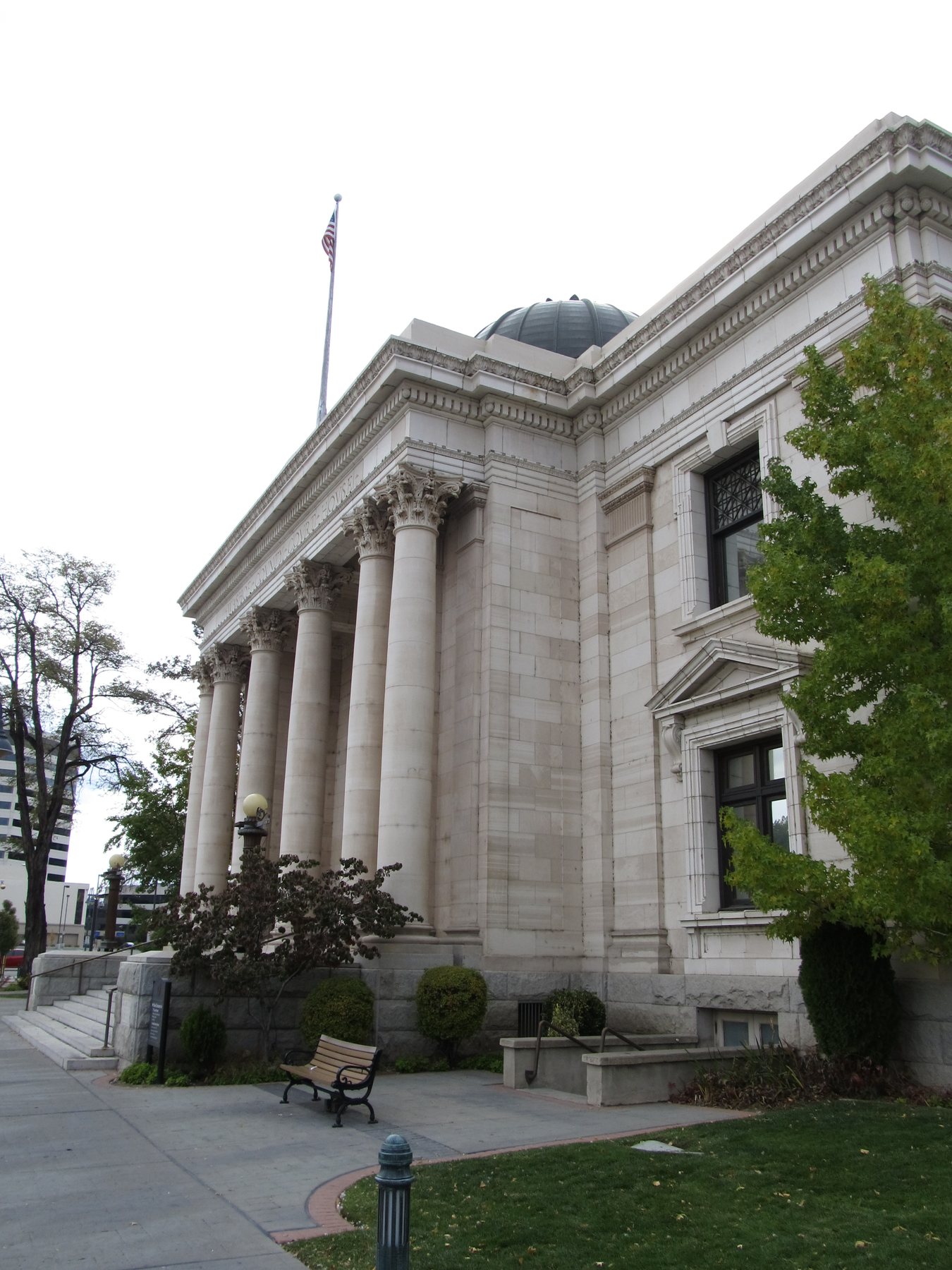
Standing proudly in the heart of downtown Reno, the historic Washoe County Courthouse has witnessed more than a century of Nevada history. Built in 1910, the courthouse quickly became one of the most recognizable public buildings in the region and remains an enduring symbol of Washoe County’s civic and cultural heritage.
Designed by renowned Nevada architect Frederic J. DeLongchamps, the courthouse was his first major solo commission and helped establish the architectural style that would shape many of Nevada’s landmark buildings for decades to come. But the courthouse became famous for more than its architecture.
Reno and the “Divorce Capital of the World”
During the early and mid-20th century, Reno gained international attention for its liberal divorce laws and short residency requirements. At a time when divorce was difficult to obtain elsewhere in the United States, people traveled from around the world to Nevada seeking a fresh start, a phenomenon that became known as “going to Reno.”
In 1931 alone, more than 4,800 divorces were processed in northern Nevada, many within this very courthouse. The influx of visitors transformed Reno’s economy and culture, helping establish the city as the “Divorce Capital of the World.” One of the most famous images tied to this era appeared on the cover of Life magazine in 1937, showing a newly divorced woman kissing one of the courthouse columns in celebration of her newfound freedom.
Over the decades, the courthouse has served as the backdrop for countless moments in Washoe County history, from high-profile legal proceedings to stories of resilience, reinvention, and justice. Today, the building continues to house the Second Judicial District Court and remains an active center of government while also standing as one of Reno’s most historically significant landmarks. It is listed on the National Register of Historic Places and continues to be carefully preserved for future generations.
#flyranch
Fly Ranch Geyser
Rising unexpectedly from the high desert north of Gerlach, Fly Ranch Geyser is one of Washoe County’s most colorful and unusual natural wonders.
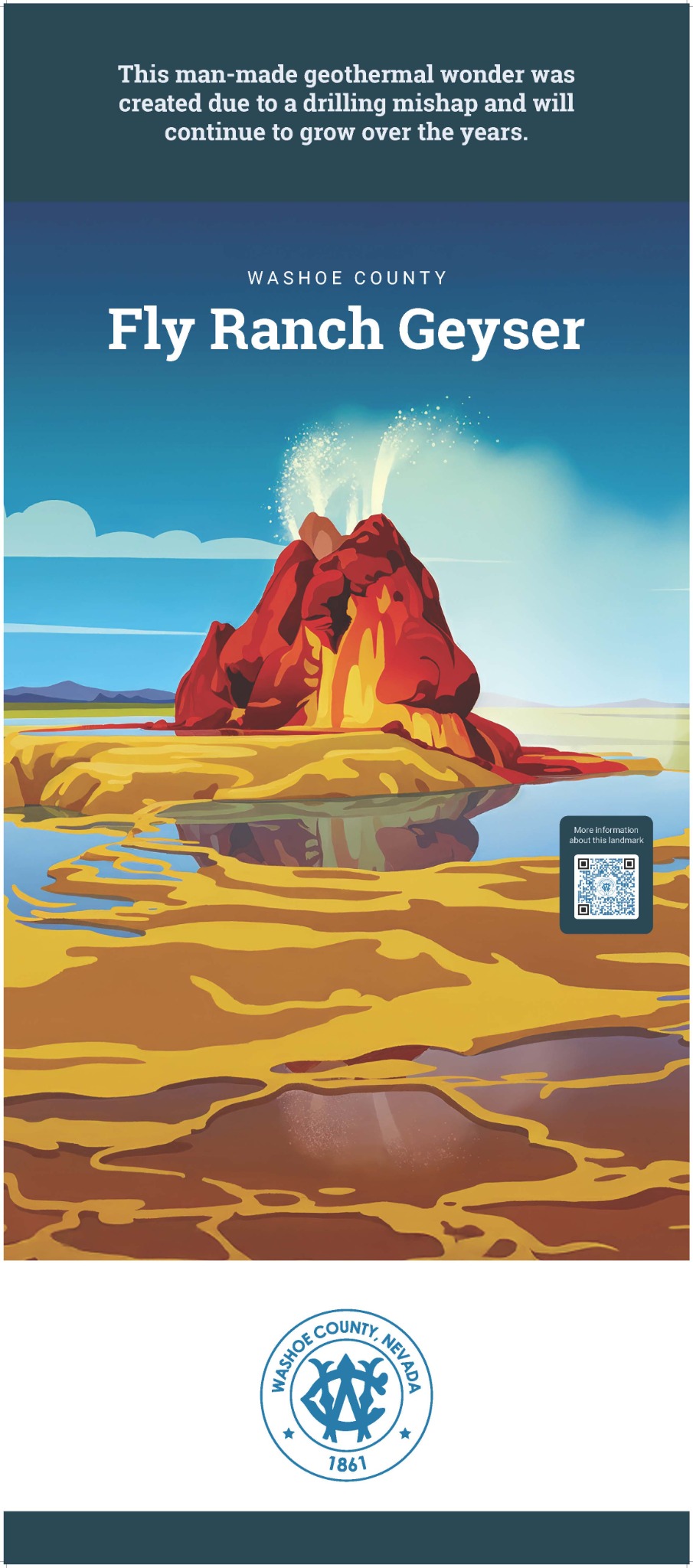
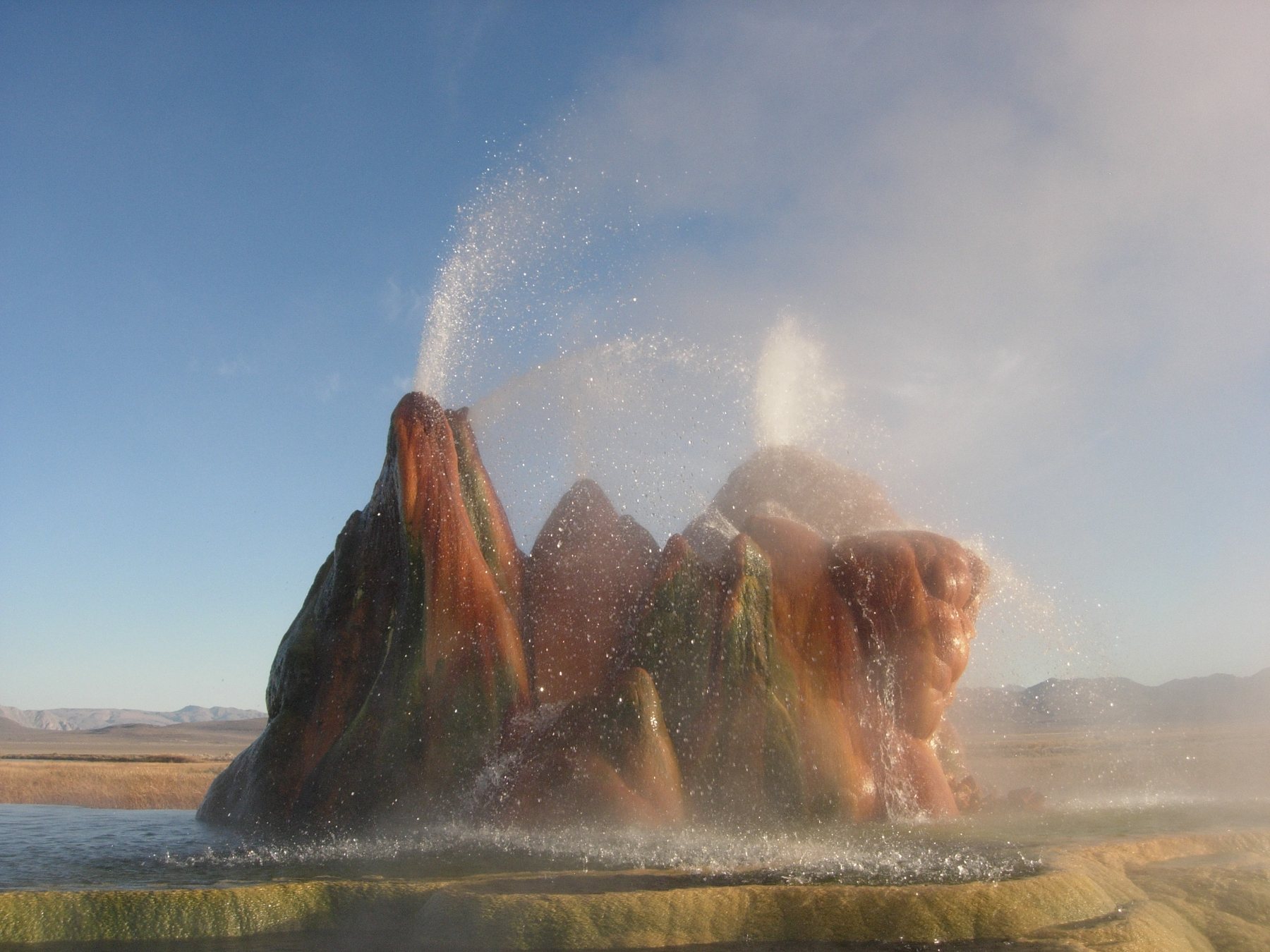
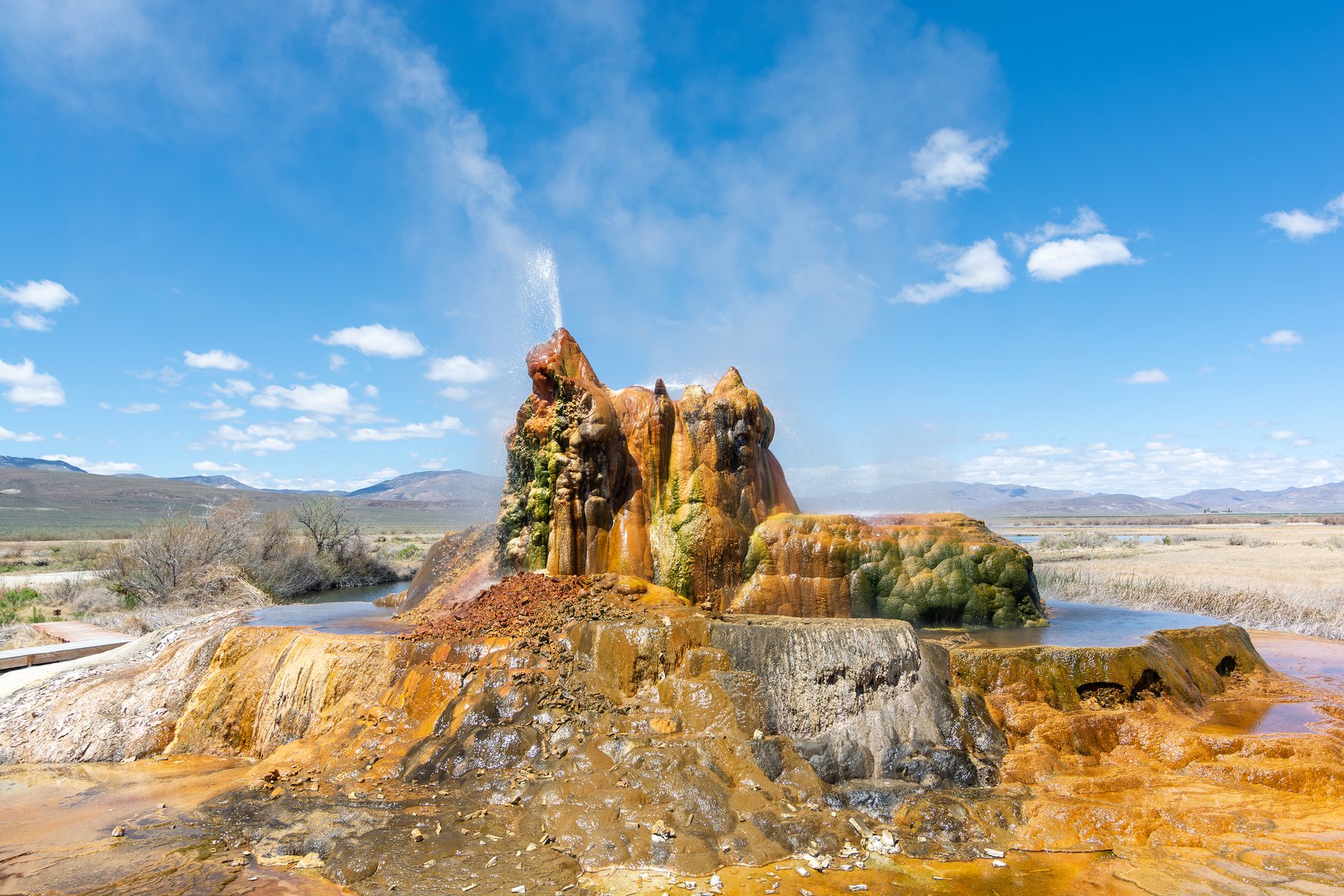
With vivid shades of red, orange, green, and gold created by heat-loving microorganisms and mineral-rich water, the geyser looks almost otherworldly against the surrounding desert landscape. Steam rises continuously from the formation as hot geothermal water flows over the growing terraces and pools below.
What makes Fly Geyser especially fascinating is that it was created entirely by accident. The original geothermal activity at Fly Ranch began in 1916 when a well was drilled in search of irrigation water. Instead, workers struck scalding geothermal water near boiling temperature. The well was abandoned, and over time, minerals in the water formed a cone-shaped geyser.
Decades later, a second geothermal well was drilled nearby. When the seal on that well failed, mineral-rich water began escaping to the surface, creating the spectacular geyser visitors recognize today. Over the years, dissolved minerals such as calcium carbonate and silica built up into the colorful cones and travertine terraces that continue to grow and change. Today, the geyser stands as both a geological curiosity and an iconic symbol of Nevada’s wild and unexpected landscapes.
Located on the 3,800-acre Fly Ranch property, the geyser sits within a unique desert ecosystem that supports a surprising variety of life, including rare plants, birds, reptiles, mammals, and specialized organisms adapted to the hot spring environment. The property is owned and managed by the Burning Man Project, which uses the site as a center for ecological restoration, interactive art, and community engagement.
Fly Ranch is located on private property and is not open for casual drop-in visitation. However, guided nature walks and educational tours are offered seasonally through partnerships with local organizations. Tours typically take place from spring through fall and provide visitors the opportunity to experience the geyser, desert ecology, and large-scale art installations in a respectful and environmentally conscious way.
#bowers
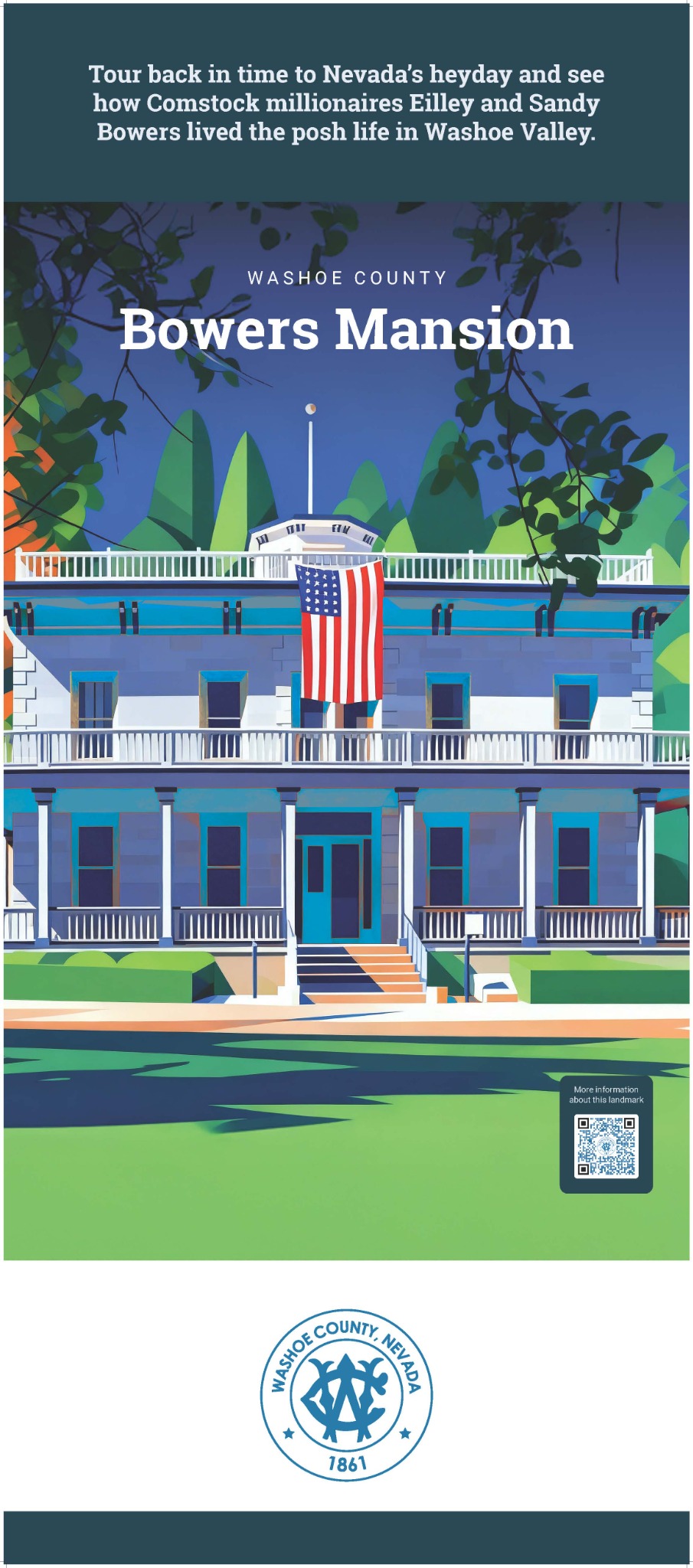
Bowers Mansion
Nestled beneath towering trees in scenic Washoe Valley, Bowers Mansion offers a glimpse into Nevada’s silver boom era and the state’s first Comstock millionaires.
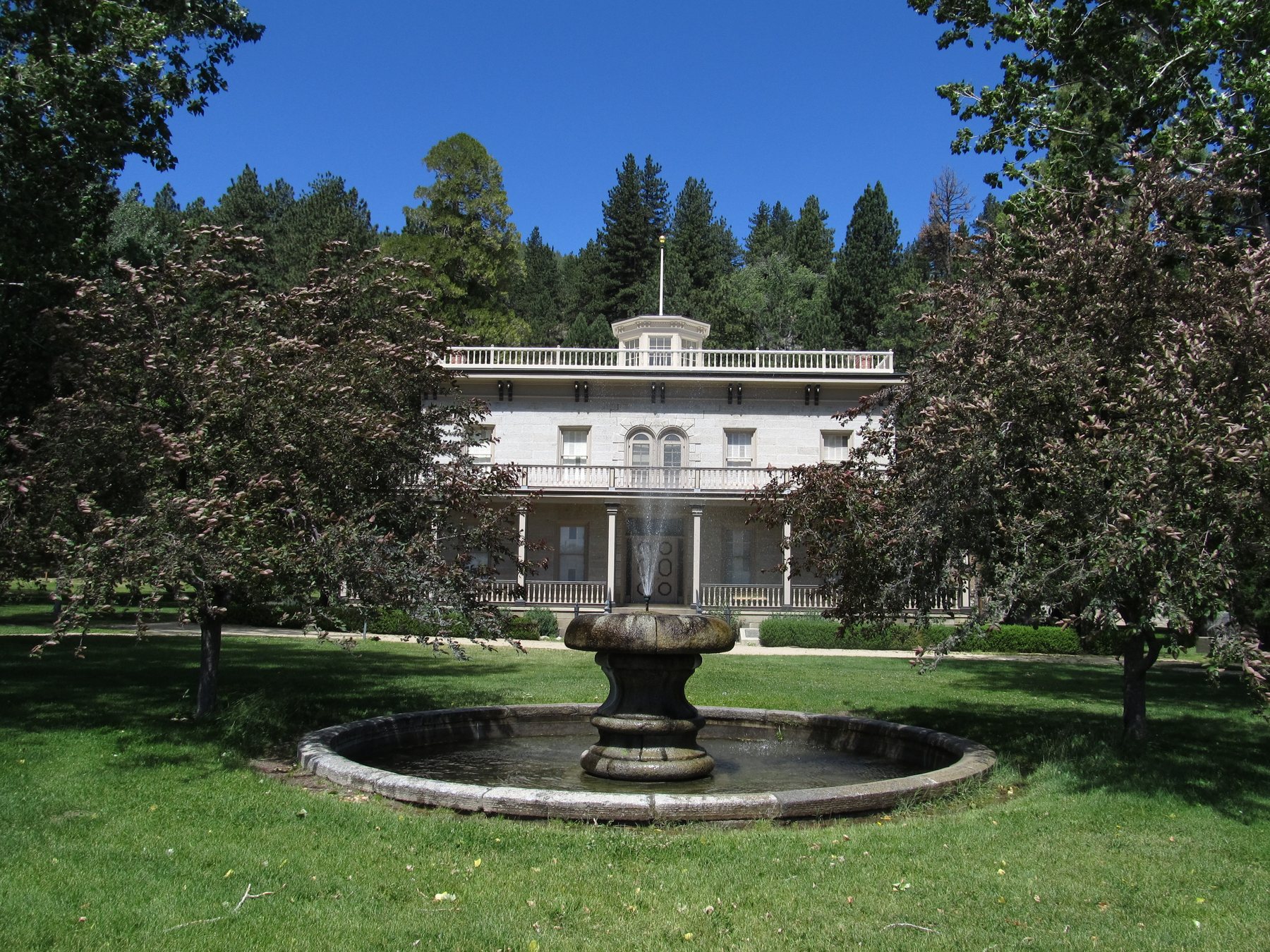
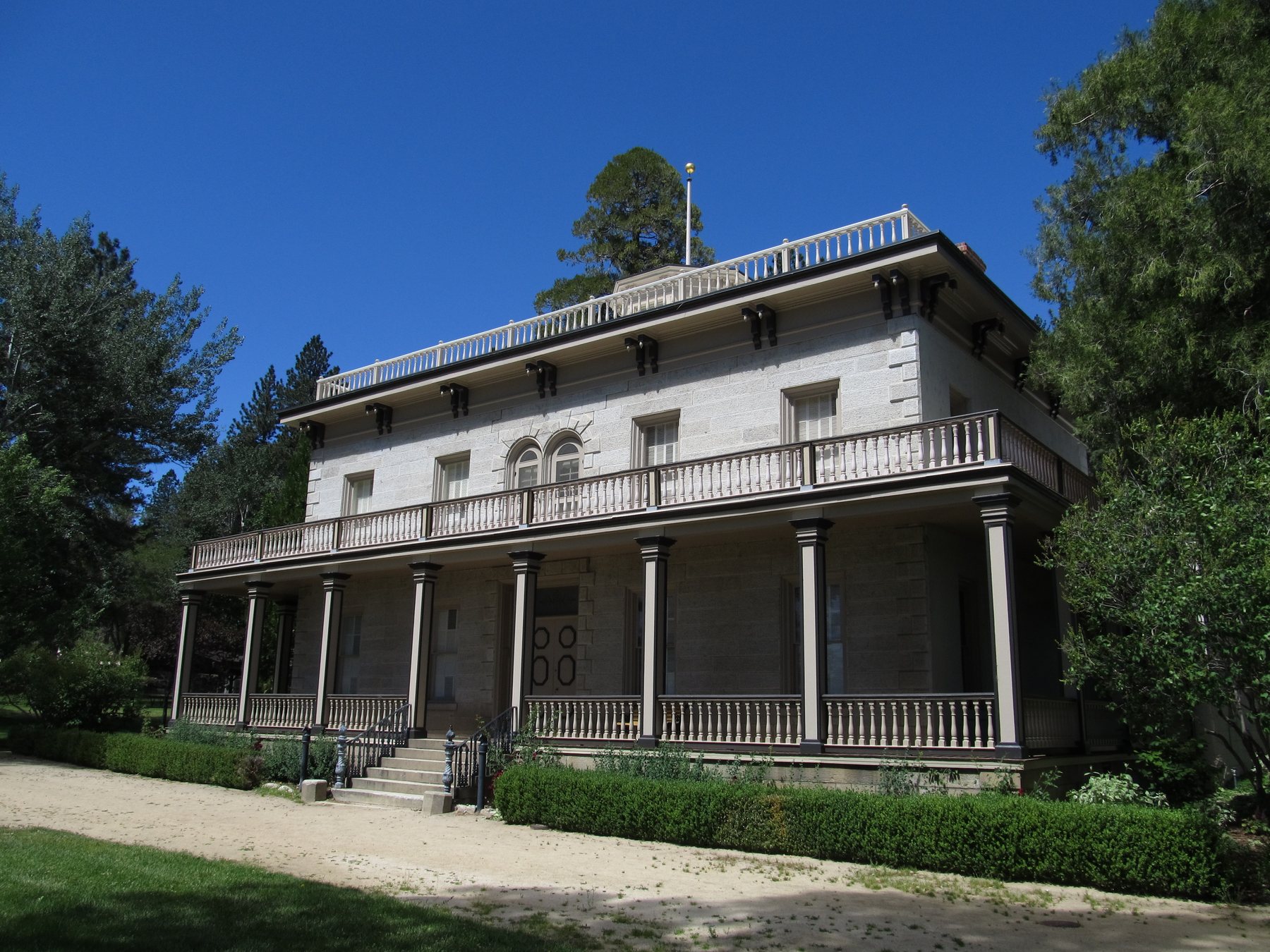
Nestled beneath towering trees in scenic Washoe Valley in southern Washoe County, Bowers Mansion offers visitors a glimpse into Nevada’s silver boom era and the lavish lifestyle of the state’s first Comstock millionaires.
Built in 1862 by Sandy and Eilley Bowers after striking it rich in the Comstock Lode, the mansion quickly became one of the most impressive homes in the Nevada Territory. By that time, Washoe County existed but Nevada was not yet a state. Inspired by their travels through Europe, the Bowers filled their home with elegant furnishings and architectural details that reflected the wealth and ambition of Nevada’s mining heyday.
Today, guided tours of the beautifully restored mansion allow visitors to step back in time and experience life during the height of the Comstock era. Beyond the mansion itself, the surrounding regional park has welcomed generations of families for picnics, swimming, music, and outdoor recreation beneath the Sierra Nevada mountains.
Whether you are exploring Nevada history, relaxing under the shade trees, or attending a summer concert on the lawn, Bowers Mansion remains one of Washoe County’s most treasured historic destinations.
Tour Information
Guided mansion tours are offered seasonally from late May through October and typically last 30–45 minutes. No reservations are required for standard tours.
Bowers Mansion Regional Park also features
- Expansive picnic areas and reservable group pavilions.
- Seasonal outdoor swimming pool.
- Children’s playgrounds.
- Wildlife viewing opportunities.
- Summer bluegrass concerts on the lawn.
The park is located approximately 20 miles south of Reno along old U.S. 395 and is a favorite gathering place for both locals and visitors.
#crystalpeak
Crystal Peak Park
Tucked along the Truckee River near Verdi, Crystal Peak Park is a peaceful riverside destination where nature, recreation, art, and local history come together.
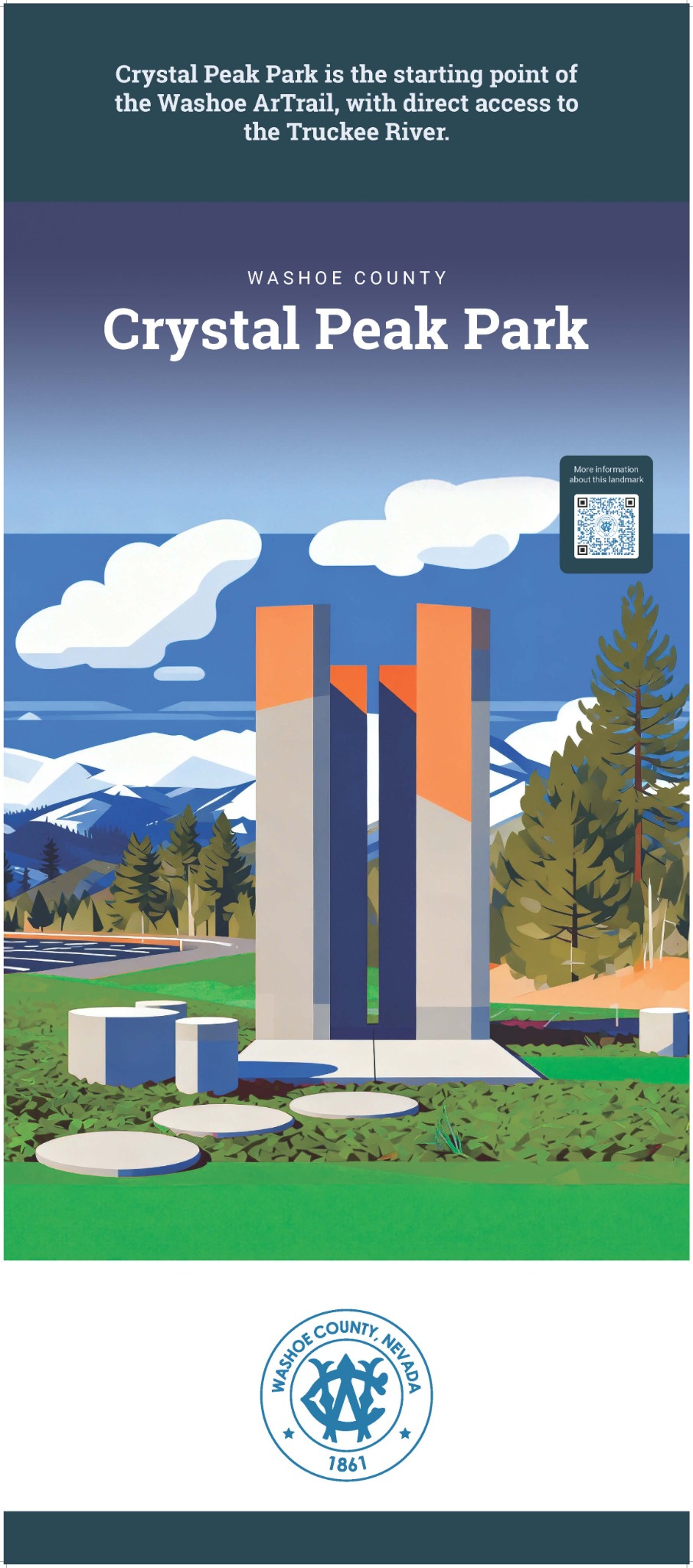
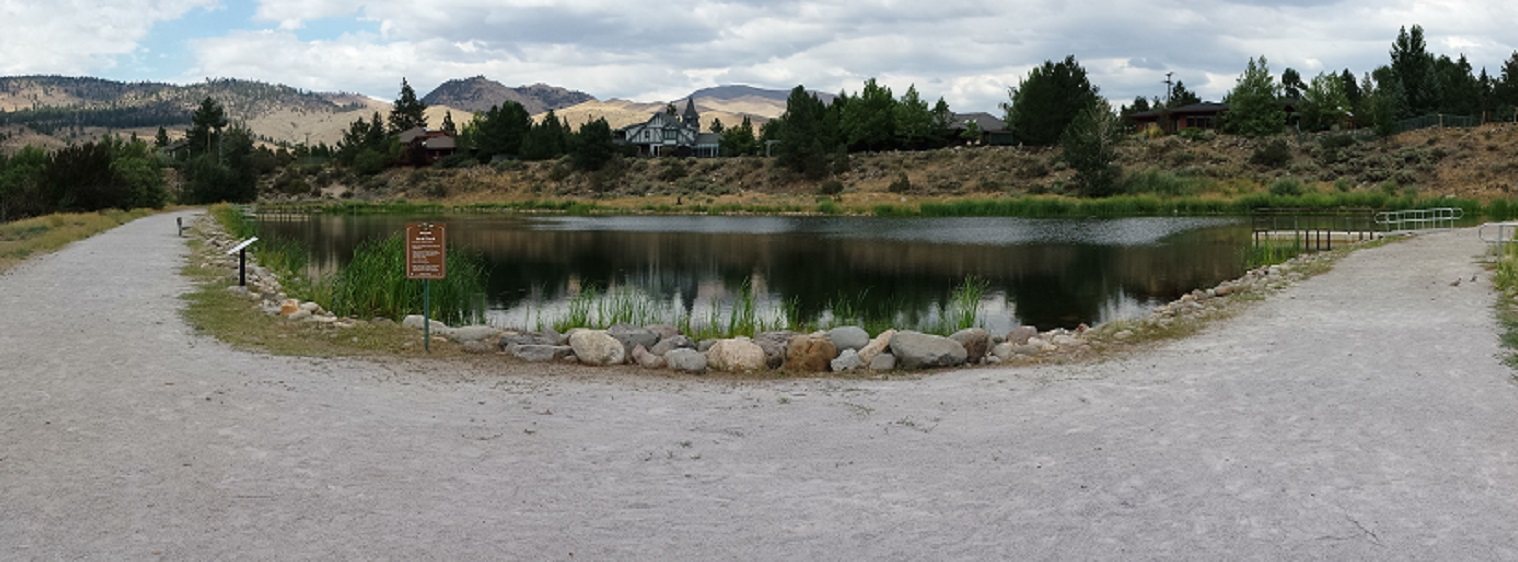
Tucked along the banks of the Truckee River near the historic community of Verdi in western Washoe County, Crystal Peak Park is a peaceful riverside destination where nature, recreation, art, and local history come together.
Shaded by towering trees and surrounded by the sounds of flowing water, the 56-acre park offers scenic walking trails, fishing access, wildlife viewing, picnic areas, and opportunities to explore stories that date back more than 150 years.
Crystal Peak Park also serves as the starting point for the Washoe County ArTrail, a public art experience that connects parks, open spaces, and communities through interactive and creative installations across the region. The Washoe ArTrail combines art, storytelling, and outdoor exploration to encourage residents and visitors to discover Washoe County in new and unexpected ways.
Beginning at Crystal Peak Park, the ArTrail highlights locations throughout the county where public art and place-based experiences inspire connection to the landscape and community. Visitors can explore the trail digitally and learn more about featured destinations, artists, and installations along the route.
Long before it became a public park, this area played an important role in Nevada’s early development. During the 1860s, the site was used by the Verdi Lumber Company for harvesting and processing timber destined for the mines of Virginia City and the expanding railroad system. The ponds located throughout the property were used for storing logs and harvesting ice before the lumber mill was destroyed by fire in 1926.
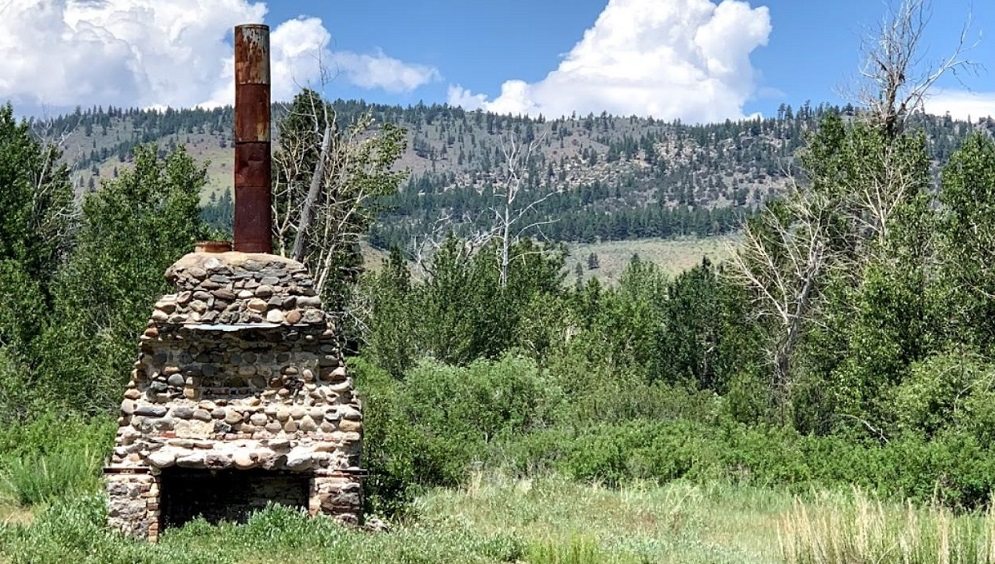
In later years, the property became home to the Verdi Glen Resort, a popular recreation destination featuring a swimming pool, restaurant, dance hall, and nightclub. Although another fire destroyed the resort in 1938, remnants of its history, including an old outdoor fireplace and portions of the pool foundation, can still be seen along the park’s interpretive trail today.
The park eventually became public land in 1993 when the property was deeded to Washoe County for community use.
#monkeyrock
Monkey Rock
Perched above Lake Tahoe, Monkey Rock rewards hikers with sweeping lake views, towering pines, and a memorable granite landmark overlooking the Tahoe Basin.
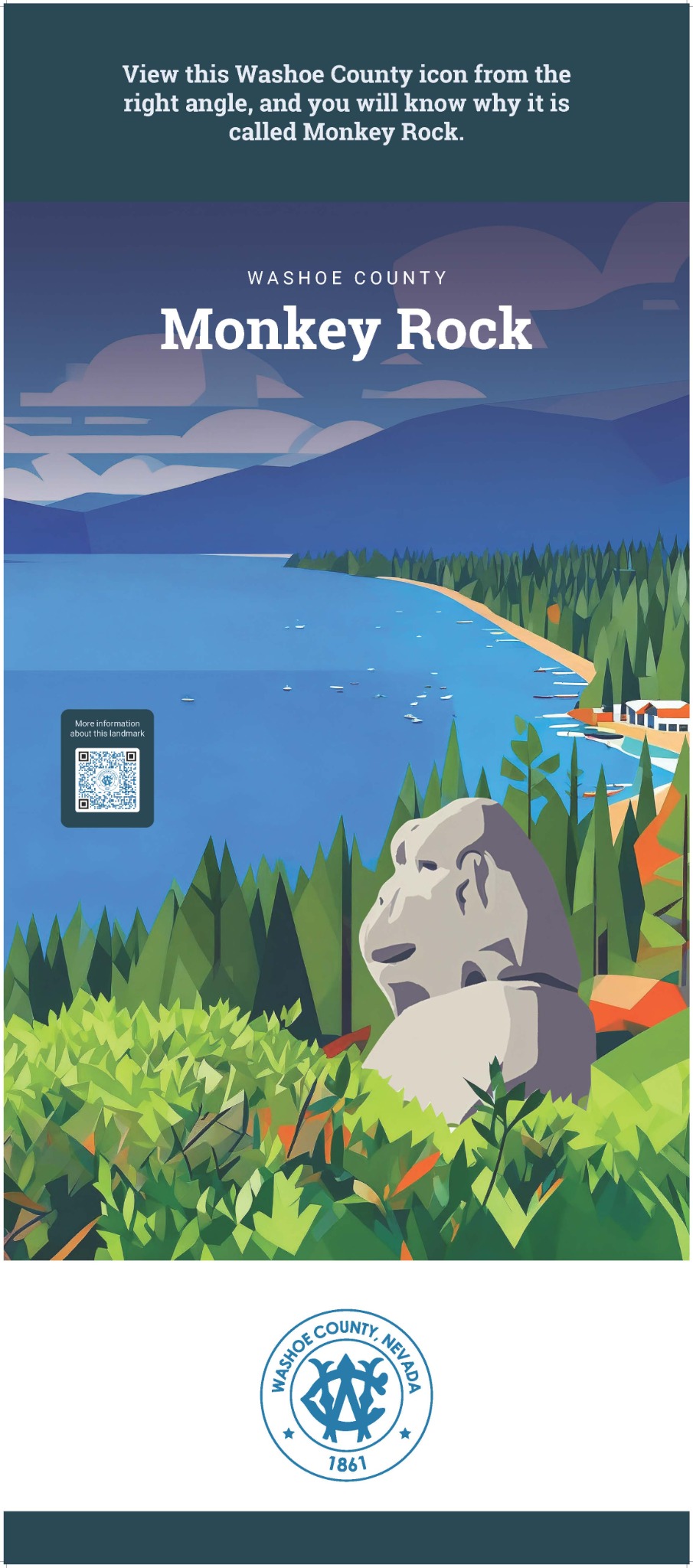
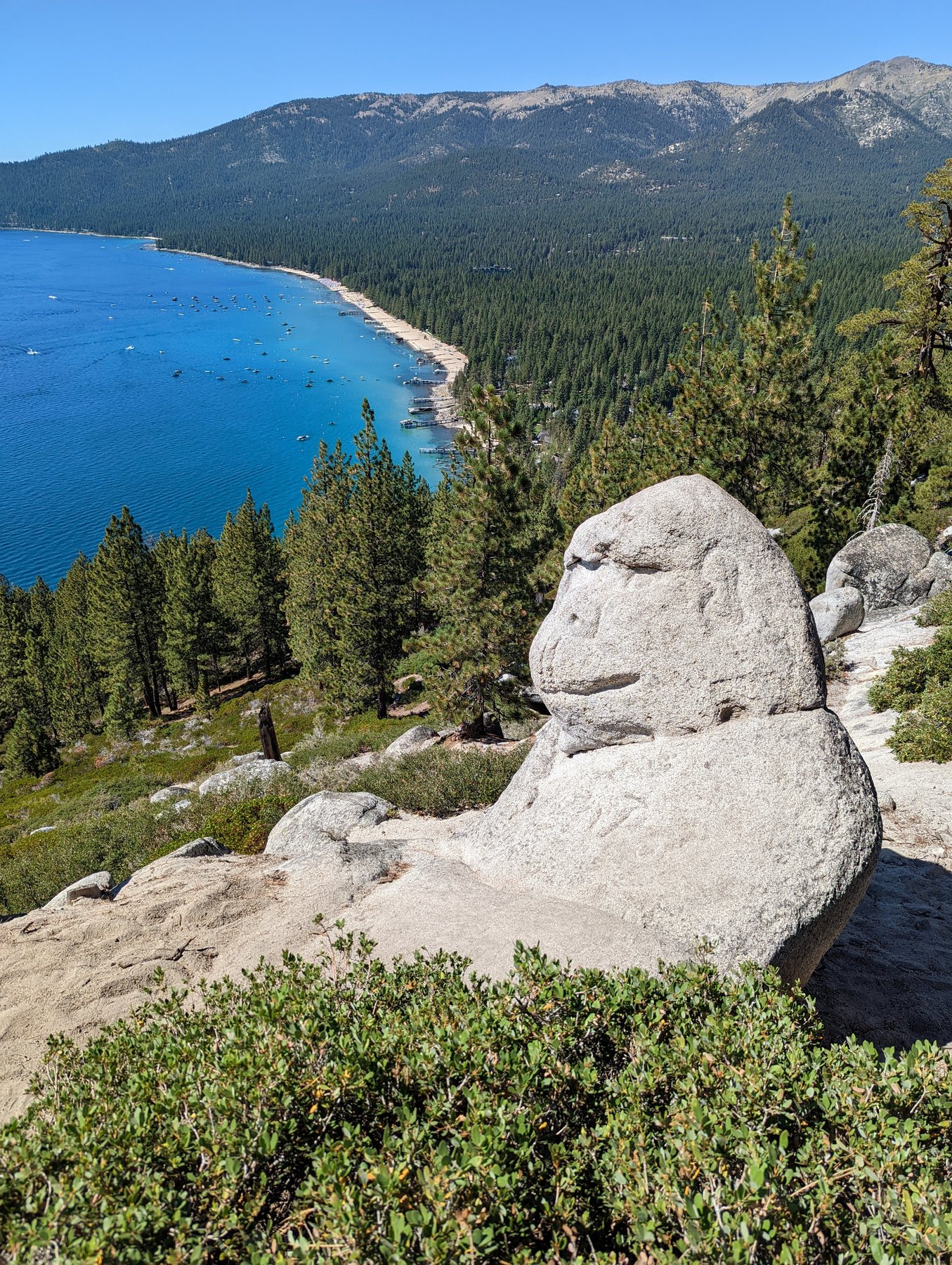
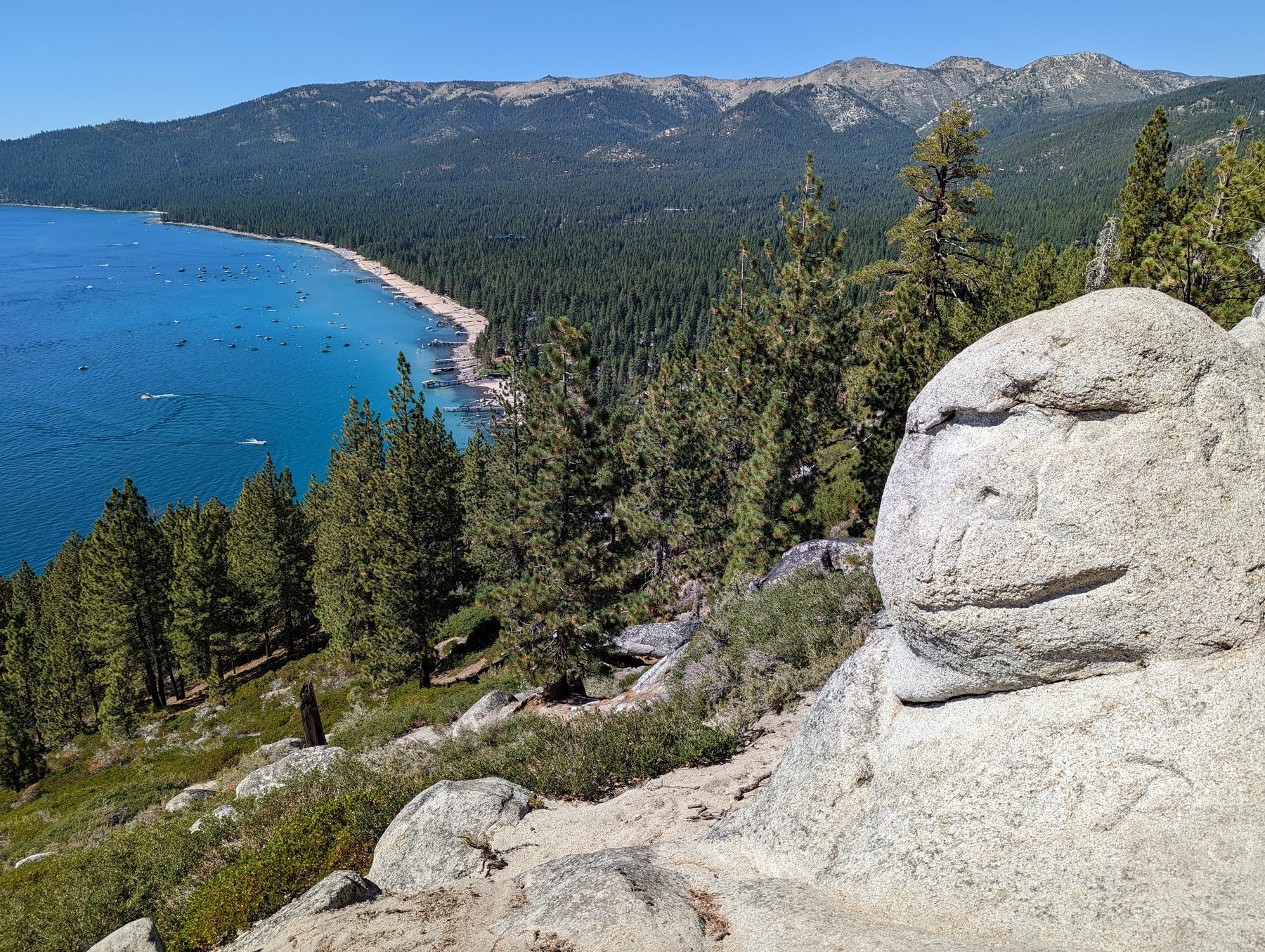
Perched high above the sparkling shoreline of Lake Tahoe, Monkey Rock is one of Washoe County’s most beloved hidden gems. Named for the giant granite boulder that resembles a monkey’s profile, this popular hike rewards visitors with sweeping lake views, towering pines, and a memorable photo opportunity overlooking the Tahoe Basin.
The trail begins near the East Shore Trail and follows the well-maintained Tunnel Creek Road before climbing to the rocky overlook. While the hike is considered moderately challenging due to its steady elevation gain, it is regularly enjoyed by hikers of all ages and experience levels. The journey to the top is just over a mile each way, with approximately 500 feet of elevation gain.
At the summit, visitors are treated to panoramic views of Lake Tahoe, Incline Village, and the surrounding Sierra Nevada landscape. The famous “monkey” formation itself is a massive granite outcrop that appears to gaze out across the lake, a unique landmark that has become an iconic Tahoe stop.
Photo credits and licensing
All images in the local images folder have been resized and optimized for web display. Keep this credit section with the page for attribution.
- Great Reno Balloon Race skyline: Trevor Bexon via Wikimedia Commons, CC BY 2.0. Local file:
great-reno-balloon-race-01.jpg. Source | License. - 29th Annual Great Reno Balloon Race: TheConduqtor via Wikimedia Commons, CC BY-SA 3.0. Local file:
great-reno-balloon-race-02.jpg. Source | License. - Washoe County Courthouse exterior: Ken Lund via Wikimedia Commons, CC BY-SA 2.0. Local file:
washoe-courthouse-01.jpg. Source | License. - Washoe County Courthouse detail: Ken Lund via Wikimedia Commons, CC BY-SA 2.0. Local file:
washoe-courthouse-02.jpg. Source | License. - Fly Geyser near Gerlach: Ken Lund via Wikimedia Commons, CC BY-SA 2.0. Local file:
fly-ranch-geyser-01.jpg. Source | License. - Fly Geyser: RuggyBearLA via Wikimedia Commons, CC BY 2.0. Local file:
fly-ranch-geyser-02.jpg. Source | License. - Bowers Mansion 1: Ken Lund via Wikimedia Commons, CC BY-SA 2.0. Local file:
bowers-mansion-01.jpg. Source | License. - Bowers Mansion 2: Ken Lund via Wikimedia Commons, CC BY-SA 2.0. Local file:
bowers-mansion-02.jpg. Source | License. - Crystal Peak Park pond: Washoe County Parks. Local file:
crystal-peak-park-01.jpg. Source page. - Crystal Peak Park history image: Washoe County Parks. Local file:
crystal-peak-park-02.jpg. Source page. - Monkey Rock Trail 07: Blake Everett Carroll via Wikimedia Commons, CC BY-SA 4.0. Local file:
monkey-rock-01.jpg. Source | License. - Monkey Rock Trail 09: Blake Everett Carroll via Wikimedia Commons, CC BY-SA 4.0. Local file:
monkey-rock-02.jpg. Source | License. - Artwork overview image and illustrated banner graphics: provided by Washoe County for this page. Local files:
artwork-overview-tour.jpg,artwork-great-reno-balloon-race-banner.jpg,artwork-washoe-courthouse-banner.jpg,artwork-fly-ranch-geyser-banner.jpg,artwork-bowers-mansion-banner.jpg,artwork-crystal-peak-park-banner.jpg, andartwork-monkey-rock-banner.jpg.
.jpg)


.jpg)


